Winnie the Pooh began with a child, a teddy bear, and stories made for play. A real child’s teddy bear inspired Winnie the Pooh, one of the best-known characters in children’s books. The bear began as a toy named Edward, but a visit to London Zoo helped give him the name readers know today.
Over a century ago, A.A. Milne’s stories and E.H. Shepard’s drawings turned Christopher Robin’s toys into a world of stories and Walt Disney later brought Pooh to the big screen. Pooh’s history links family memories with a real Sussex forest and more than a century of readers. Let’s take a look at why the “silly ol’ bear” still feels at home in books, films, and people’s imaginations over a century after he was first created.
The history of Winnie the Pooh began with Christopher Robin’s toys
Christopher Robin Milne received a teddy bear in 1921. The toy was first called Edward Bear, a name A.A. Milne later used in the stories. Christopher also had toys that inspired other characters, including Piglet, Eeyore, and Tigger.
The bear’s name changed after Christopher Robin met Winnie, a real bear at London Zoo. He named his toy after her, then added “Pooh,” a name linked to a swan the family encountered on holiday.
Winnie was a female black bear bought in Canada by veterinarian Harry Colebourn during the First World War. He named her after Winnipeg, his hometown, and brought her to England with his regiment in 1914. When the unit left for France, Colebourn left Winnie in London Zoo’s care.
After the war, Colebourn decided the zoo was the best place for her. Winnie became a popular attraction, and Christopher Robin and his father visited her. The bear inspired the name, but Milne’s stories came from the boy’s toys and the play he shared with them.
The Hundred Acre Wood grew from play and Ashdown Forest
Milne shaped the stories around the toys and games of his young son. Their home life gave the tales a child’s point of view, where a small outing could turn into a grand expedition. The Hundred Acre Wood also drew on Ashdown Forest in Sussex. Its paths, open heath, and wooded spots give visitors a sense of the country that inspired Milne. Some sites have familiar names from the books, but no route matches the story exactly. Milne used familiar places and ideas to build a setting that felt both ordinary and magical. Readers can still visit Ashdown Forest and find locations linked with Pooh, while remembering that the stories reshaped the land.
A.A. Milne and E.H. Shepard made Pooh a book classic
Milne introduced Christopher Robin and his toys in poetry before publishing a full Pooh story collection. When We Were Very Young appeared in 1924, and Now We Are Six followed in 1927. Both books include poems about the boy and his toy friends.
These poems helped readers meet the characters in stages. Milne’s verse captured the rhythm of a child’s play, while his prose stories gave the toys room for longer adventures. Together, the books built the foundation for Pooh’s literary world.
The first Pooh story and book established the character
“The Wrong Sort of Bees” appeared in the London Evening News on Christmas Eve 1925. The story introduced Pooh to newspaper readers before Winnie-the-Pooh arrived as a book in 1926. Its familiar episodes include Pooh’s effort to reach honey and his tight squeeze at Rabbit’s home.
E.H. Shepard’s pen-and-ink drawings helped define how the original characters looked. His loose lines and expressive poses matched Milne’s light humor without making the toys seem too polished or grand. The first book reached its 100th anniversary this year.
The House at Pooh Corner brought Tigger into the wood
Milne’s second story collection, The House at Pooh Corner, was published in 1928. It introduced Tigger, whose springy energy stood apart from Pooh’s slow, thoughtful ways. The new character widened the group’s mix of temperaments.
Across both books, friendship matters more than grand deeds. Milne built humor from wordplay, misunderstandings, and the way children see the world. Shepard’s pictures add small details that reward a second look.
Poohsticks Bridge links play to a real site
The game of Poohsticks appears in The House at Pooh Corner. Players drop sticks from one side of a bridge and watch to see which reaches the other side first. Christopher Robin’s childhood play helped inspire the scene.
A bridge in Ashdown Forest is now commonly known as Poohsticks Bridge and draws visitors who want to try the game. The real site is not an exact copy of Shepard’s book illustrations but connects readers to the story.
Cotchford Farm adds family history
The Milne family lived at Cotchford Farm in Sussex while the Pooh books took shape. Their home and nearby countryside formed part of the setting behind the stories, though the Hundred Acre Wood remains a work of fiction. Family life, toys, and landscape all fed Milne’s writing.
Cotchford Farm is a private property, not a public attraction. Visitors should not enter or seek access without permission. The nearby Ashdown Forest offers a more suitable way to experience the places linked with Pooh.
Disney gave Pooh a new screen life
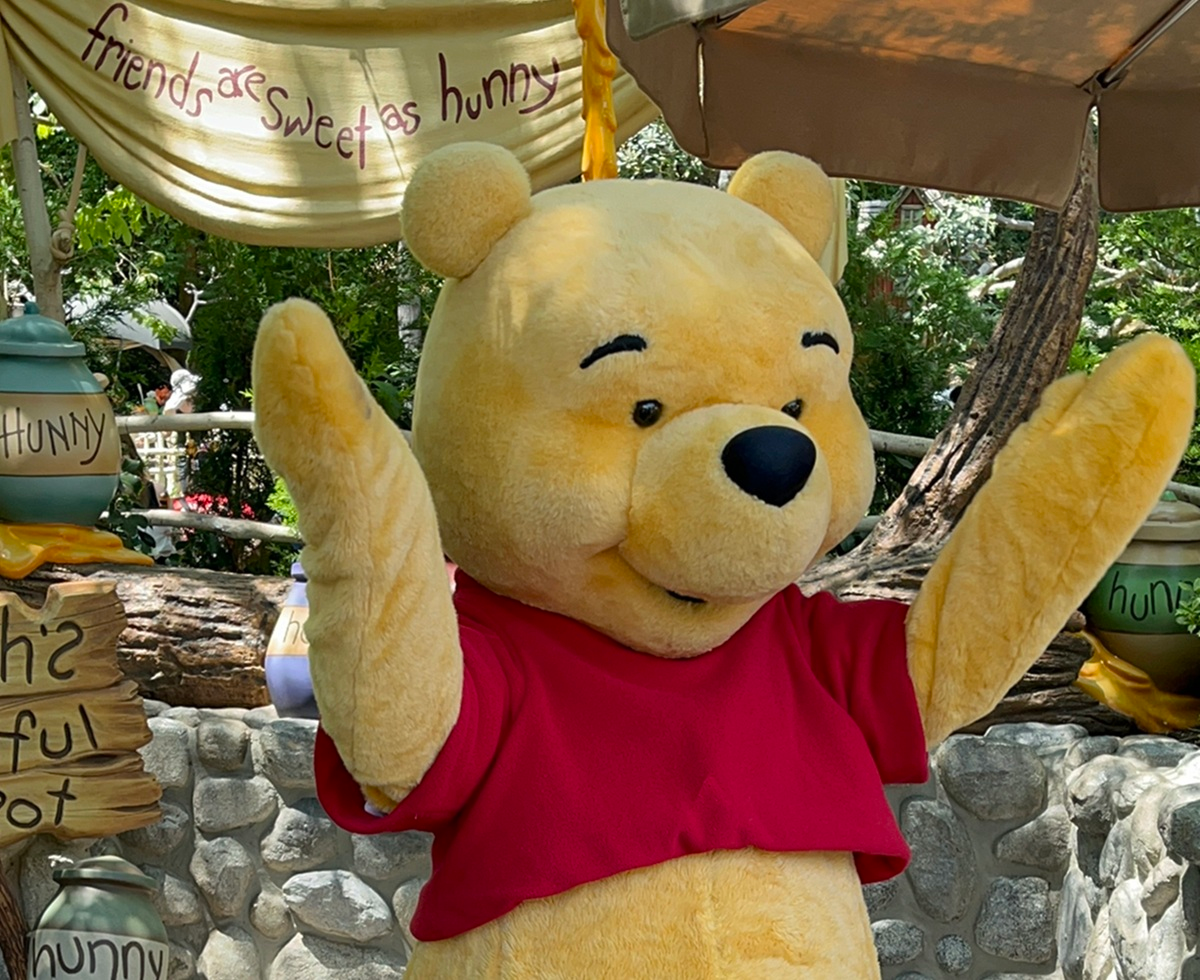
Disney’s Winnie the Pooh and the Honey Tree premiered in 1966 as the first animated Pooh featurette. The film adapted stories from Milne’s first book and gave the bear a voice, color, and movement for movie screen audiences. Disney’s version took inspiration from Shepard’s art, but used its own animation style. Piglet and Tigger did not appear in the first featurette but were introduced in Disney’s 1968 animated featurette Winnie the Pooh and the Blustery Day.
Later films and shows reached new audiences
Disney followed The Honey Tree with Winnie the Pooh and the Blustery Day in 1968. The Many Adventures of Winnie the Pooh brought several featurettes together in 1977. Pooh later appeared in television shows, feature films, books, and licensed products.
Those versions expanded the character’s audience and changed how many people picture him. Disney’s bright designs and performances differ from Shepard’s spare drawings and Milne’s prose. Reading a passage beside Shepard’s illustration, then watching a Disney adaptation, makes the contrasts easy to spot.
Copyright rules depend on the Pooh version
In the United States, the copyright term for the 1926 Winnie-the-Pooh book ended after 95 years. The book entered the public domain on January 1, 2022. This applies to material from that work, not every later story or adaptation.
The UK Intellectual Property Office’s guide to Pooh’s copyright explains that rights vary by country and by type of work. It also notes that Milne’s original stories are due to enter the UK public domain on January 1, 2027.
The 1926 book and Disney’s later adaptations are distinct works. Disney’s designs, films, and other new material have their own protections, while later books and artwork may have separate rights as well.
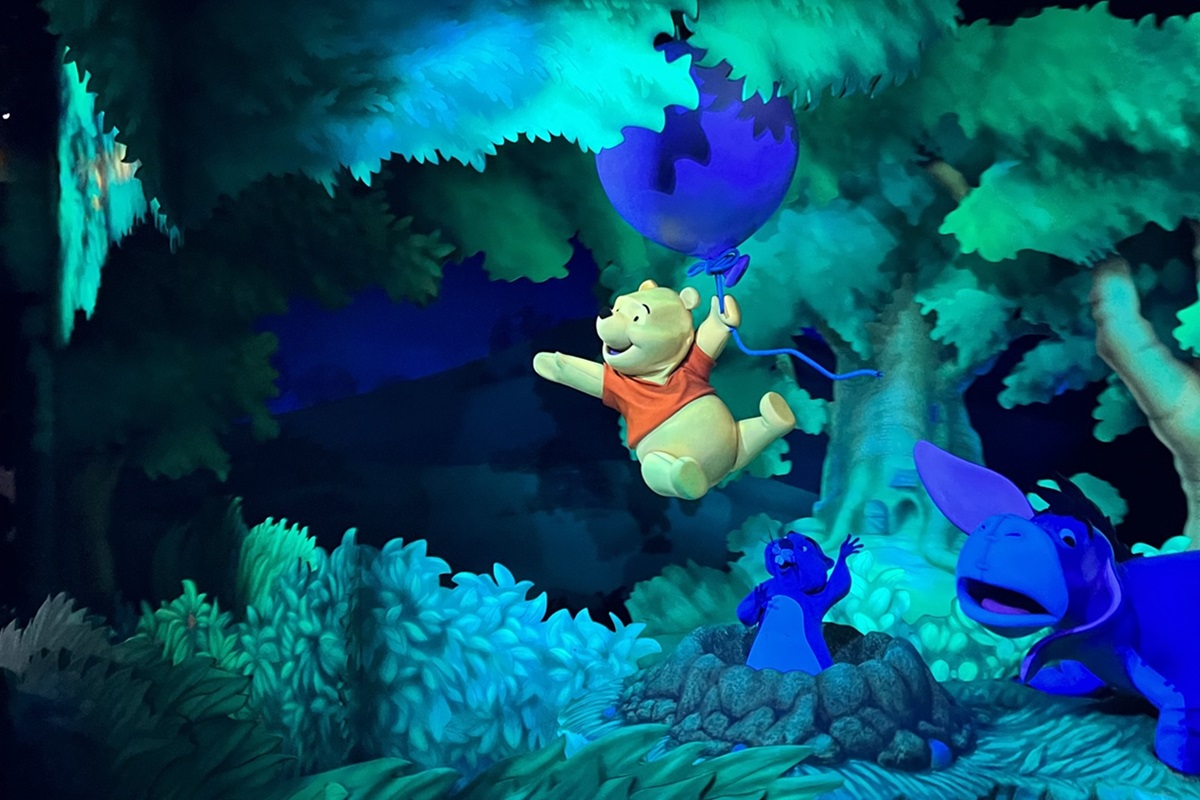
Pooh began with a child, a teddy bear, and stories made for play. A century later, those roots still give the books their charm and introduce the world to the “silly ol’ bear” that Disney brought to life on the big screen and in it’s theme parks around the world.
Disney News
Stay up-to-date on the latest Disney news! Check back daily for the latest Disney news including these recent blog posts:
- 100 Years of Winnie the Pooh: How a Toy Bear Became a Literary Icon
- Disney Forest Animals Booster Pin Set at Disney Parks
- Disney Attraction Alphabet Mystery Pin Pouch released today at Disneyland
- Disney Parks 2026 Holiday Pins arrive at Disneyland
- Disney Studio Store Hollywood Pin Trader’s Delight Second October 2026 Sundae Pins
- Filming for the Disney Parks Holiday Special at Disneyland Today
And follow me on Instagram, Facebook and other social channels for even more up-to-date news and information.
As always, I’ll “see ya real soon” Mouseketeers!